
As Artificial Intelligence rewrites the rules of education, platforms specifically tailored for K-12 environments are gaining massive traction. Among these, SchoolAI has emerged as a premier tool designed to bring the power of machine learning into the classroom safely and constructively.
While most educators know the platform for its text-based tutoring, interactive historical simulations, and lesson planning assistants, a major question frequently arises from digital media, art, and computer science classes: can students create images using schoolai?
This comprehensive article explores the image generation capabilities of SchoolAI, how it compares to mainstream AI tools, and how students can leverage it to build future-ready digital skills.
Understanding SchoolAI’s Core Infrastructure
SchoolAI is built from the ground up as a fenced-in, privacy-compliant AI ecosystem for schools. Unlike open-access tools like ChatGPT, Midjourney, or DALL-E, SchoolAI filters every interaction through strict educational guardrails (ensuring COPPA and FERPA compliance).
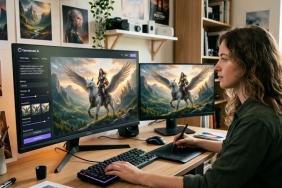
When it comes to creative workflows, SchoolAI approaches image generation through a specialized framework. Rather than acting as a free-form, unrestricted art generator, it integrates visual creation directly into educational spaces and structured prompts.
Can Students Generate Images Directly?
Yes, students can create images within SchoolAI, but the process is highly intentional:
-
Space-Driven Creation: Teachers can set up custom “Spaces” where the AI is instructed to help students visualize concepts—such as generating a scene from a book they are reading, visualizing a scientific molecule, or creating historical infrastructure.
-
Teacher-Monitored Output: Every image, text prompt, and generated piece of media is tracked via the teacher dashboard. This eliminates the risk of students generating inappropriate, copyrighted, or non-educational visuals.
Economic picture
When analyzing the career and financial value of mastering these specific classroom tools, students and parents often look at the broader economic picture. Specifically, they ask: can students create images using schoolai how much does it earn 2025/2026 in terms of future career viability?
Learning how to navigate prompt engineering for image generation within a structured tool like SchoolAI builds early foundational skills for several high-paying, next-generation professions. Here is what the economic landscape looks like for careers leveraging educational and ethical AI design:
| Career Path | Role in the Market | Average Salary Range (2025/2026 Data) |
| AI Prompt Engineer / Visual Designer | Designing precise prompts to generate commercial-grade marketing or product visuals. | $85,000 – $140,000 / year |
| EdTech Content Developer | Creating interactive, visually-driven digital curricula for schools and educational platforms. | $70,000 – $110,000 / year |
| Instructional Designer | Integrating AI media tools into corporate and academic training frameworks. | $75,000 – $115,000 / year |
By utilizing SchoolAI to generate educational visuals, students aren’t just playing with digital art—they are practicing conditional logic, vocabulary precision, and iterative design, which are core components of high-paying prompt engineering and digital design fields.
How to Get Started: Step-by-Step Guide for Students
If you are a student or an educator looking to maximize visual creativity on the platform, understanding the technical workflow is crucial. Here is the roadmap for can students create images using schoolai how to become proficient in classroom AI design.
1. Accessing a Teacher-Approved Space
Students cannot simply create a rogue account and generate unmonitored media. To begin, a teacher must generate a Space Invite Code.
-
The teacher configures the Space using a specific AI persona (e.g., “Creative Writing Assistant” or “Biology Visualizer”).
-
The teacher toggles on the media generation capabilities within that specific module’s settings.
2. Crafting Descriptive Educational Prompts
SchoolAI responds best to structured, descriptive language. Instead of typing a simple prompt like “draw a castle,” students are taught to use descriptive adjectives, historical context, and stylistic parameters:
-
Example: “Generate a realistic, top-down architectural layout of a medieval European castle during the 14th century, focusing on the moat and inner keep.”
3. Iterating and Refining the Visual Output
Rarely is the first AI-generated image perfect. Students learn to critique the output provided by SchoolAI and follow up with corrective prompts. This teaches critical thinking and descriptive communication:
-
Follow-up prompt: “Keep the same castle design, but change the weather from sunny to a stormy, overcast sky to match the mood of our story chapter.”
Pro-Tip for Educators
Use SchoolAI’s image features for project-based learning. Have students write a short historical fiction essay, and then challenge them to use the built-in AI tools to co-create a accurate historical cover art or storyboard for their project.
Benefits of Using SchoolAI Over Standard AI Art Generators
Using a dedicated educational platform like SchoolAI offers distinct advantages over standard, consumer-facing image generators:
-
Zero Exposure to Inappropriate Content: Standard engines can occasionally yield unpredictable or adult-oriented results. SchoolAI’s strict filtering algorithms completely block unsafe visual generations.
-
Data Privacy Protection: Student data, names, and inputs are never sold, tracked for advertising, or used to train public machine learning models.
-
Focused Learning Environments: Because the image generation is tied directly to the teacher’s lesson plan, students remain focused on the assignment rather than getting distracted by infinite, unrelated digital creation.
The Visual Future of EdTech
So, can students create images using SchoolAI? Absolutely. By embedding safe, monitored image generation directly into day-to-day lessons, SchoolAI turns passive consumers of technology into active creators.
Mastering these tools early gives high school and middle school students a massive head start, equipping them with the precise digital literacy and prompt engineering skills required to thrive in a highly visual, AI-driven professional market.